Loose connection or failing fixture: comparing common causes of light flicker
@circuitsense
November 24, 2026 · 7 min read
Understanding the source of flickering lights
Few things are more annoying than a light that flickers at the wrong moment. Whether it happens in a kitchen, a home office, or a hallway, the problem tends to shift between two main explanations: either a loose electrical connection somewhere in the circuit or a fixture that is simply past its prime. Telling them apart matters because the fix for each is different, and sometimes the real cause is neither. This article compares the common sources of light flicker, so you can decide which one fits your situation and know when to call a professional.
Loose connection: the silent troublemaker
A loose connection can appear anywhere along the path from the breaker panel to the light bulb. The most common spots are inside a junction box where wire nuts have worked themselves loose, at the screw terminals on a switch or outlet, or inside the light fixture itself where the wires are spliced. When a connection is not tight, the current across it becomes unstable. That instability shows up as flickering, and the flicker often gets worse when other appliances on the same circuit draw power.
One clue that a loose connection is the culprit is when the flicker does not follow a pattern. It may happen at random times, or it may be triggered when someone walks past the switch or when the heating system kicks on. The flicker might also affect more than one fixture on the same circuit. If you have a ceiling light that flickers and a nearby lamp that does the same thing at the same moment, the problem is probably not inside either fixture. It is upstream, somewhere in the circuit wiring.
A loose connection is not always a quick fix. Sometimes the wire ends have corroded or the wire nut has cracked, so simply tightening the connection is not enough. In those cases the damaged part needs to be cut back and re-spliced. That kind of work involves opening junction boxes or switch boxes, which means working with live parts if the circuit is not properly de-energised. A qualified electrician has the tools to isolate the circuit safely and test the connections with a voltage meter. Many homeowners find that the most reliable approach is to leave this type of diagnosis and repair to a professional, especially when the flicker is intermittent and hard to pin down.
Failing fixture: when the light itself is the problem
Every light fixture has a rated lifespan, and the electrical components inside it can degrade over time. In an incandescent fixture, the socket contacts can lose their spring tension, causing a poor connection with the bulb base. In a fixture that uses a built-in LED driver, the driver can start to fail after years of heat cycles. The result is flickering that is localised to that one fixture, and it tends to happen regardless of what else is running in the house.

If you swap the bulb and the flicker continues, the fixture itself is likely at fault. Another sign is that the flicker stops when you wiggle the bulb or the fixture housing. That points to a loose internal contact inside the fixture rather than a problem in the house wiring. In some cases the fixture has a dimmer switch that is not compatible with the bulb type. An older dimmer designed for incandescent bulbs will often cause LED bulbs to flicker, even when the fixture and wiring are fine. The solution there is either to replace the dimmer with an LED-compatible model or to switch to a bulb that works with the existing dimmer.
When a fixture fails, the repair is usually straightforward: replace the fixture or, if the fixture is a high-end model, replace the internal driver or socket. But in many homes the fixture is old enough that replacing the whole thing makes more sense than trying to source a replacement driver. An electrician can advise on the best option and install the new fixture correctly, ensuring the connections are tight and the mounting box is secure.
Voltage fluctuations and appliance load
Not every flicker is caused by a loose wire or a worn-out fixture. Sometimes the problem is on the utility side, such as a voltage sag when a large appliance starts up. A refrigerator compressor or an air conditioner motor can draw enough current to pull the voltage down momentarily across the whole house. That dip causes all lights on the same phase to dim or flicker for a split second. This is normal behaviour in many homes and is not a sign of a fault. However, if the flicker is frequent or lasts more than a second, it could indicate an undersized service panel or a problem with the utility transformer.
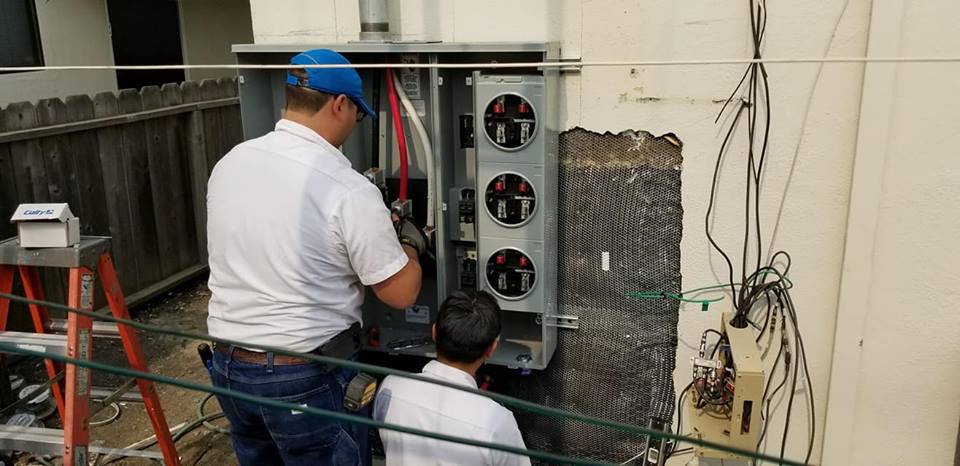
Voltage fluctuations can also come from a loose connection at the main breaker or at the meter base. Those are areas where the homeowner should never work. A loose connection at the service entrance can cause flickering throughout the house and, if left unchecked, can lead to overheating and fire. The National Electrical Code requires that these connections be inspected and tightened only by a licensed electrician, and in some cases the utility company must be involved.
How to tell the difference
If you are trying to decide whether you have a loose connection or a failing fixture, start with a simple test. Turn off the light and let it cool. Remove the bulb and inspect the socket for corrosion, bent tabs, or a loose centre contact. If the socket looks fine, try the same bulb in a different fixture to see if the bulb is the issue. If the bulb works elsewhere, reinstall it and gently wiggle the fixture housing while the light is on. If the flicker changes or stops, the problem is inside the fixture. If the flicker continues and you notice other lights doing the same thing, you likely have a loose connection somewhere in the circuit.
Another clue is the behaviour of the flicker when you turn on a large appliance. Walk to the kitchen and run the garbage disposal or start the dishwasher. If the flicker in the other room gets noticeably worse, the problem may be a loose connection at a junction box or at the panel. If the flicker stays the same, the fixture is the more likely cause.
When to call a professional
Loose connections in junction boxes, switch boxes, or the main panel are not a do-it-yourself job for most people. Opening these boxes exposes live wires that can deliver a serious shock, and the wiring inside may be old or brittle. A professional electrician has the training to work safely, and they can use a multimeter or a thermal imaging camera to find hot spots that indicate a poor connection. The same goes for any flicker that involves the main breaker or the meter base. The cost of a service call is small compared to the risk of an electrical fire.
Failing fixtures are usually easier to handle, but if the fixture is wired into a junction box without a plug, the replacement still requires turning off the circuit and making proper splices. An electrician can handle that quickly, and they can also check that the new fixture is rated for the box and the dimmer. Many homeowners find that having an electrician perform repairs for flickering light circuits is the most efficient way to solve the problem, because they can test all the connections in one visit and confirm that the fix is permanent.

Preventive steps
Once the cause is identified and fixed, a few habits can reduce the chance of flicker returning. Use bulbs that match the fixture rating, and choose dimmers that are listed as compatible with LED bulbs. Avoid over-tightening bulbs in a socket, which can damage the centre contact. Keep an eye on fixtures that are more than ten years old; if the finish is flaking or the plastic parts are yellowing, the internal electrical components may be aging too. And if you ever hear a buzzing sound from a switch or a fixture, that is a sign of arcing, which should be investigated by an electrician promptly.
Flickering lights are not always a sign of a serious electrical fault, but they should never be ignored. A loose connection can worsen over time, and a failing fixture can eventually stop working or create a short. By comparing the symptoms of each cause, you can decide whether the fix is a simple bulb change or a job that needs a licensed professional. In either case, diagnosing the problem correctly is the first step toward a reliable and safe lighting system. For homeowners who prefer not to trace wires or open junction boxes, calling an electrician for repairs for flickering light circuits provides a thorough solution that addresses both the visible symptom and the hidden cause.